
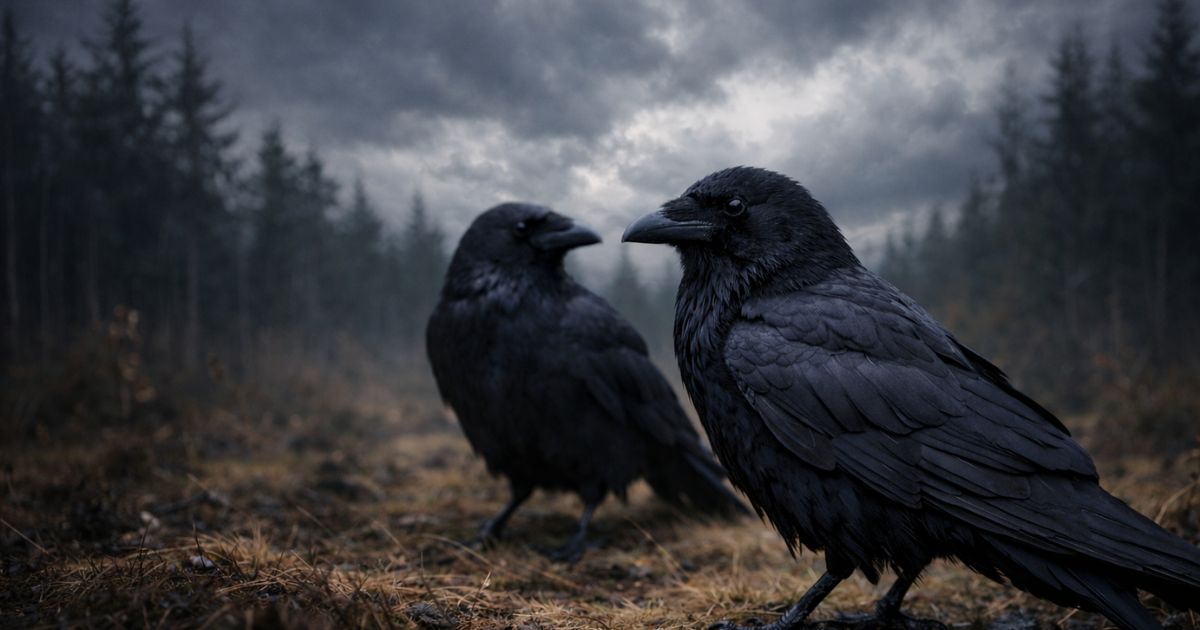
Birds are often seen as cheerful, carefree creatures, but what happens when they lose a companion? Many bird owners, veterinarians, and animal behaviorists observe behavioral changes that suggest birds do experience emotional responses to loss. In this article, we explore whether birds grieve, how they show condolence behaviors, and what you can do to support a grieving bird.
What Does Grief Mean in Animals?
Grief is emotional distress following a loss, commonly seen in mammals such as dogs and elephants. But recent research and bird keeper observations suggest birds can display similar reactions.
Yes, many bird species show behaviors that strongly resemble grief and mourning. While birds may not think about loss in human terms, their emotional reactions can be real and meaningful.
Common Signs of Grief in Birds
- Loss of appetite
- Decreased activity or lethargy
- Changes in vocalization
- Searching for the missing companion
- Increased clinginess or loneliness
These behaviors are frequently interpreted as condolence responses, indicating social attachment and emotional depth.
Species Known to Show Mourning Behavior
Some bird species are more socially bonded and more likely to exhibit mourning behaviors:
| Species Group | Typical Mourning Behaviors |
| Parrots | Strong pair bonds often show distress after companion loss, including reduced vocalization and appetite loss. |
| Corvids (crows, ravens, jays) | Known for gathering around deceased birds and vocalizing, sometimes described as “funeral” behavior. |
| Doves and Pigeons | Often form long-term partnerships and may remain near a deceased mate or chick. |
| Geese and Swans | Lifelong mate bonds; the surviving mate may stay near the body or show prolonged mourning behavior. |
Birds Show Condolence
Birds may respond to the death of a mate or flock member in ways that resemble mourning:
Staying near the body
Calling repeatedly
Reduced social interaction
Changes in sleeping patterns
Less engagement with toys or humans
This indicates not just attachment, but a type of avian condolence behavior, a social and emotional response to loss.
Related:https://msglane.com/150-sudden-death-condolence-messages-words-of-comfort/
Helping a Grieving Bird Recover
If your pet bird has lost a companion, you can support its healing process:
Tips to Help Your Grieving Bird
- Provide comfort and attention, gentle interaction helps reduce stress
- Maintain routines, birds respond well to structure
- Offering favorite foods can stimulate appetite
- Enrich the environment with toys, perches, and safe spaces
- Consult a vet; prolonged grief may need professional care
Encouraging positive behavior supports emotional recovery while respecting natural bird responses.
Perspectives on Avian Grief
Not all scientists agree on interpreting these behaviors as grief in the human sense, but many acknowledge emotional responses in birds.
John Marzluff, professor of avian social ecology, explains:
“Birds have the same brain areas, hormones, and neurotransmitters as we do, so they too can feel what we feel.”
He notes that long-lasting behaviors after a loss, like altered activity or avoidance of a location, could indicate more than a simple instinctive reaction.
Anthropologist Barbara J. King, author of How Animals Grieve, highlights compelling cases such as domestic ducks maintaining proximity to a deceased companion, suggesting mourning may result from strong social bonds.
Related: Environmental Pollution
The Scientific Perspective: What Researchers Say
The study of avian grief is still developing, but accumulating evidence supports the idea that birds have emotional lives more complex than once thought. Birds possess cognitive, neurological, and social capacities that allow them to respond emotionally to loss.
At the same time, scientists caution against assuming that these responses are exactly like human grief. Some behaviors interpreted as mourning could also function as survival strategies, such as recognizing danger associated with a death.
Conclusion: Birds Can Exhibit Grief-Like Behavior
Bird grief may not be identical to human mourning, but the evidence shows that many birds experience emotional reactions, attachment loss, and behavior changes that resemble condolence responses. By recognizing and compassionately responding to these behaviors, bird owners can support grieving birds while appreciating the emotional depth of these remarkable animals.
Addressing Common Questions About Bird Grief
Do all birds grieve?
Not always a bird’s personality, social needs, and species influence how it responds to loss.
How long does bird grief last?
It varies: some birds adjust in days, others in weeks or longer.
Can birds form emotional bonds with humans?
Yes, many parrots and social species bond deeply with their human caregivers.

I’m Aisha Babar, an SEO expert and content writer focused on ranking content that drives real traffic. I turn keywords into clear, engaging, and high-converting content.
1 thought on “Do Birds Grieve? Understanding Their Condolence Behavior”