
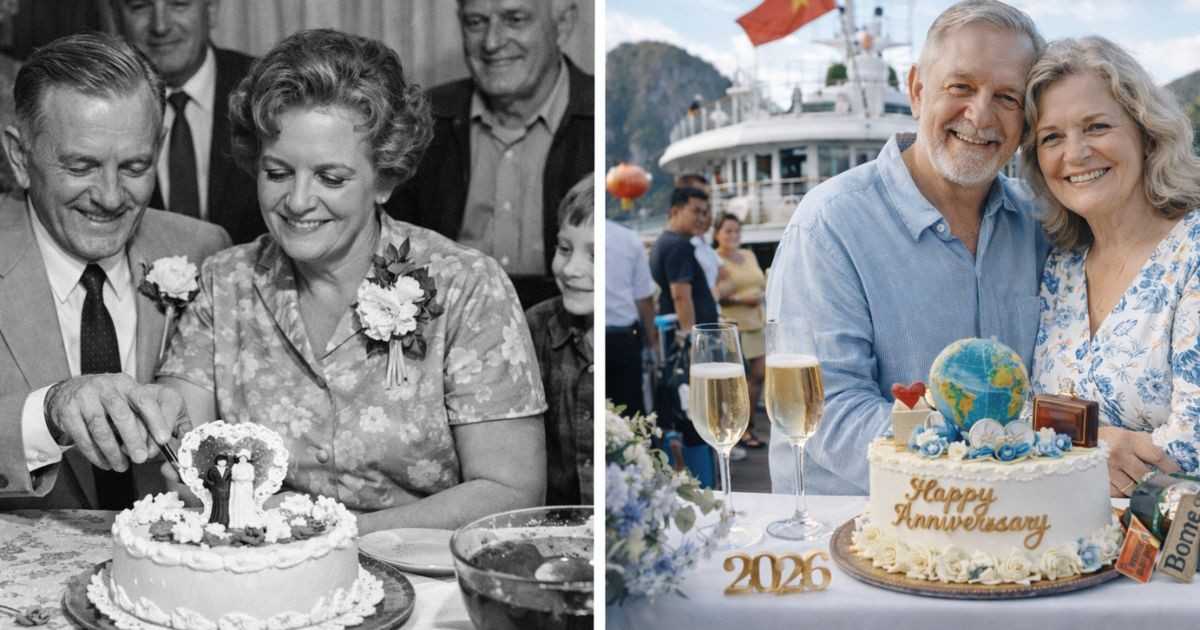
Wedding anniversaries are timeless celebrations of love and commitment, but the way couples mark these milestones has evolved significantly over the decades. Comparing a 1970 wedding anniversary with a 2026 wedding anniversary reveals how changing lifestyles, technology, and cultural values have reshaped celebrations, while the essence of love remains the same.
This comparison highlights the shift from simplicity and tradition to personalization and experience-driven celebrations.
Wedding Anniversaries in 1970: Simple, Family-Centered, and Traditional
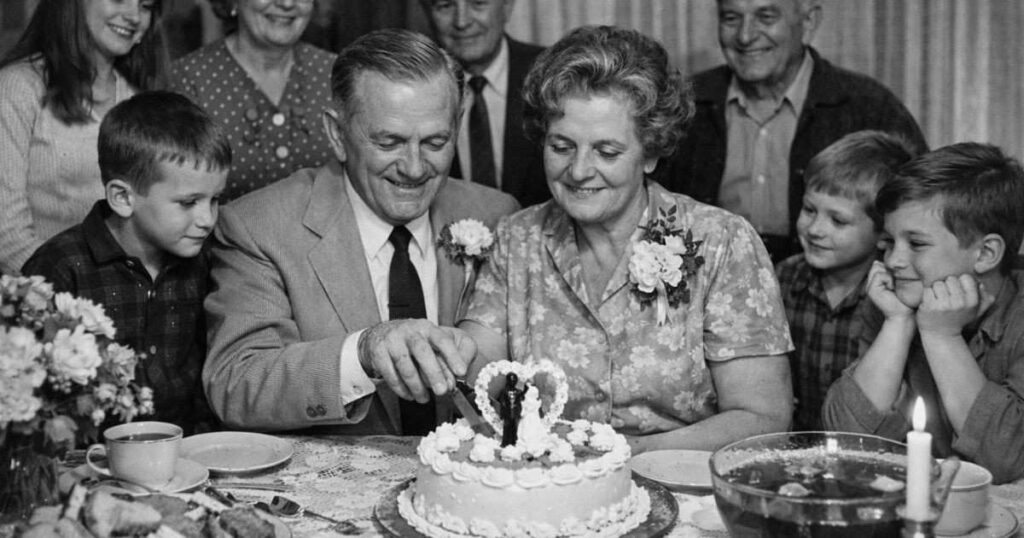
In 1970, wedding anniversaries were typically modest and intimate. Most couples celebrated at home with close family members, often sharing a homemade meal. The focus was on togetherness rather than extravagance.
Photography was limited, usually captured on film cameras, resulting in a few cherished black-and-white photos. Gifts were practical, such as household items or cash, reflecting the practical mindset of the era. Travel for anniversaries was rare, as international trips were expensive and less accessible.
Anniversaries in 1970 symbolized stability, lifelong commitment, and family values above all else.
Wedding Anniversaries in 2026: Personalized, Experiential, and Global
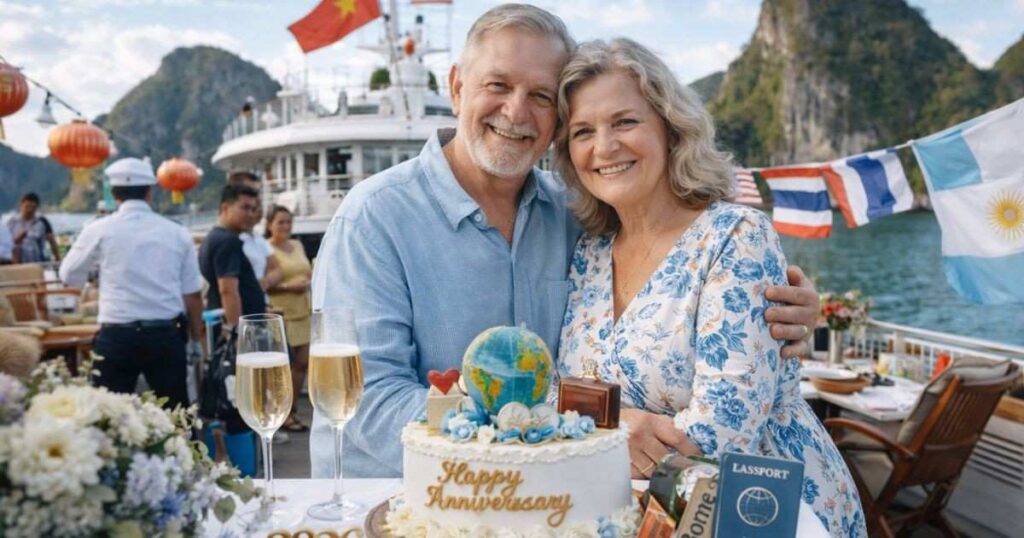
By 2026, wedding anniversary celebrations have become far more personalized and experience-focused. Couples often choose destination trips, luxury resorts, fine-dining experiences, or wellness retreats to mark their special day.
Technology plays a major role in modern celebrations. High-resolution photography, cinematic videos, social media posts, and even live streaming allow couples to share their moments instantly. Gifts have shifted from material items to meaningful experiences such as travel, spa treatments, or customized surprises.
Rather than following a single tradition, couples in 2026 design celebrations that reflect their personalities, interests, and shared memories.
1970 vs 2026 Wedding Anniversary Comparison Table
| Aspect | 1970 Wedding Anniversary | 2026 Wedding Anniversary |
| Celebration Style | Simple home gatherings | Destination trips & themed events |
| Guest List | Close family members | Family, friends & online audience |
| Photography | Limited, film-based | Professional digital & cinematic |
| Gifts | Practical household items | Experiences & personalized gifts |
| Travel | Rare or local | International & luxury travel |
| Technology | No digital sharing | Social media, reels & live streams |
| Focus | Stability & tradition | Memories & shared experiences |
What Has Changed and What Hasn’t
While the style of celebration has changed dramatically from 1970 to 2026, the core purpose of a wedding anniversary remains unchanged. Both generations celebrate love, commitment, and the journey shared between two people.
The difference lies in expression: where earlier generations valued simplicity and tradition, modern couples prioritize experiences and emotional connection. Neither approach is better—just reflective of the times.
Related:https://msglane.com/category/congratulations/
Why This Comparison Matters Today
Understanding how wedding anniversaries have evolved helps us appreciate both tradition and modern expression. Whether it’s a quiet family dinner or a scenic getaway, anniversaries continue to remind couples of the bond they’ve built over time.
FAQs
How were wedding anniversaries celebrated in 1970?
They were usually simple, family-focused gatherings at home with practical gifts and limited photography.
How are wedding anniversaries celebrated in 2026?
Modern celebrations focus on experiences such as travel, luxury dining, personalized events, and digital sharing.
Final Thoughts
From modest home celebrations in 1970 to personalized experiences in 2026, wedding anniversaries reflect how society has evolved. Yet, across generations, the heart of the celebration, love and commitment, remains beautifully unchanged.

I’m Aisha Babar, an SEO expert and content writer focused on ranking content that drives real traffic. I turn keywords into clear, engaging, and high-converting content.