
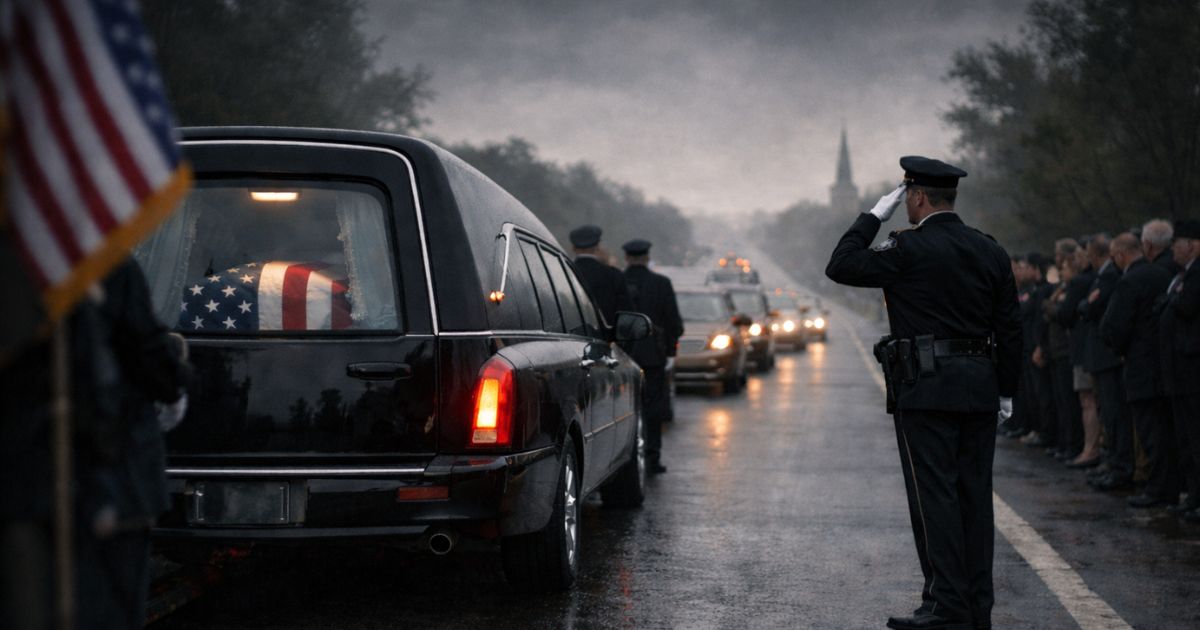
Funeral Processions Explained: A Respectful and Practical Guide for Families and the Public
You may notice it before you fully realize what it is: a calm line of cars with their headlights on, driving slowly and staying close together. This is usually a funeral procession. It is one of the few times when private sorrow becomes visible in public spaces. For families, it brings a sense of unity, order, and emotional closure. For other drivers, it is a quiet signal to slow down and act with care and respect.
This guide explains how funeral processions normally operate, what respectful behavior looks like, and how both participants and the public can help maintain safety and dignity. Because traditions and traffic laws differ by place, this article focuses on general etiquette and safe conduct.
The Meaning of a Funeral Procession
A funeral procession is an organized group of vehicles, and in some cultures, people walking, that travel together as part of a funeral service. It usually goes from a funeral home or place of worship to a cemetery, crematorium, or memorial location. Some families choose a route that passes by important places, such as the person’s home, workplace, or a location with special memories.
A procession is more than just moving from one place to another. It is a final sign of care, a public act of respect, and a shared moment of remembrance when words are not enough.
Typical Structure and Order
Most funeral processions follow a simple and respectful order, although customs can differ by culture and region. The usual sequence includes:
- A leading vehicle or official escort, if provided
- The hearse transporting the deceased
- Cars carrying close family members
- The officiant or religious leader, when part of the service
- Vehicles of friends and extended relatives
In areas with heavy traffic, police or funeral escorts may help the procession stay together. In quieter places, clear directions and polite driving are often enough to guide the group safely.
How a Funeral Procession Is Recognized
Funeral procession vehicles are usually marked so other drivers can identify them easily. Common signs include:
- Headlights switched on even during the daytime
- Small flags, cards on dashboards, or temporary window markers
- A group of cars is driving slowly and closely in a continuous line
These signs are meant to improve visibility and reduce confusion on the road. They are not used to demand special treatment but to help others understand that a funeral procession is passing.
Related: Sympathy Poetry on Condolence: Words That Comfort the Grieving Heart
Safety and Road Awareness
Rules for funeral processions are different in the United Kingdom and the United States, and many people are unsure about what the law actually requires from both participants and other drivers.
In the United Kingdom, funeral processions do not receive special legal rights under the Highway Code or UK traffic laws. All vehicles in the procession must follow normal road rules, including stopping at red lights and obeying road signs. When other drivers slow down or wait at junctions to allow the procession to stay together, this is a sign of courtesy rather than a legal duty.
In the United States, laws about funeral processions depend on the state. Some states allow a properly marked procession a limited right of way. For example, once the first vehicle enters an intersection legally, the rest of the procession may be allowed to continue through without stopping, and other drivers are usually not permitted to cut between the vehicles. In other states, every vehicle in the procession must still follow standard traffic signals unless a police officer or authorized escort is controlling traffic.
No matter the location, one rule is always the same: safety should come first. Even where certain legal allowances exist, they do not excuse speeding, unsafe turns, or ignoring traffic signals unless an official escort is directing traffic. Families and drivers in the procession should depend on funeral staff for guidance about local laws, route planning, and proper driving behavior.
Before leaving for the destination, it is helpful to know:
- Whether an escort will be present and who is giving directions
- The planned route and expected travel time
- Where to go if someone arrives late
- What steps should be taken if a vehicle becomes separated
- Where to park when reaching the final location
Participant Etiquette
If you are taking part in a funeral procession, small actions can help keep the journey peaceful and respectful.
- Arrive early so the group can leave on time
- Follow any guidance given and stay in the same lane when possible
- Maintain a steady and safe distance from the car in front of you
- Do not overtake or change places within the line
- Limit distractions, especially using your phone
- Keep music turned off or at a very low volume
- If you become separated, continue calmly to the destination instead of speeding to rejoin the group
Etiquette for Other Drivers and Pedestrians
When you come across a funeral procession, the kind response is to allow space and remain patient.
- Do not drive between the vehicles in the procession
- Avoid honking, tailgating, or showing frustration
- Give way when it is safe and sensible to do so
- Take extra care near cemeteries, crematoriums, and memorial sites where traffic may slow or stop
Some people choose to pause briefly as a sign of respect. Customs differ by place, but showing impatience is often deeply felt by families who are grieving.
Arrival Etiquette at the Cemetery or Crematorium
Arrival is often the most emotional part of the day, and it can feel disorganized if people leave their cars too quickly or park without guidance. In most cases, it is best to stay inside your vehicle until all cars have parked and staff members give instructions.
When you step outside, follow the directions of the funeral staff about where to stand and when to move. Keep your phone on silent and stay attentive. This helps maintain a calm and respectful atmosphere for the service.
Cultural and Religious Variations
Funeral processions vary greatly between cultures and religions. Some traditions include walking together, prayers, symbolic acts, or special vehicle arrangements. Others focus on quietness and privacy. In some services, there is no procession at all, and guests meet directly at the cemetery or memorial site.
When a family has particular customs they want to observe, sharing these details during planning allows the funeral staff to support them properly.
The Role of Funeral Professionals
Funeral directors and service coordinators manage the practical arrangements so families do not have to worry during a difficult time. Their responsibilities may include:
- Organizing the route and schedule
- Giving clear guidance to procession participants
- Arranging escorts if required
- Marking vehicles so the procession is easy to identify
- Managing parking and arrival at the final location
Their purpose is to ease the burden on families and ensure the day runs smoothly with dignity and respect.
Modern Alternatives and Changing Practices
Not all families prefer a traditional funeral procession today. Busy roads, long travel routes, and guests arriving from different places have encouraged many to choose simpler arrangements, such as:
- Holding the service and gathering at a single location
- Having a small procession with close family only
- Asking guests to meet directly at the cemetery, crematorium, or memorial venue
- Sending directions digitally so people can travel calmly without needing to stay in a close line of vehicles
There is no right or wrong choice. The best option is the one that feels most comfortable and meaningful for the family.
Quick Checklist
If you are taking part in a procession:
- Arrive on time and follow the planned route
- Use any agreed signal, such as headlights, if requested
- Stay in one lane and keep a safe, steady distance
- Do not pass other vehicles or change the order
- If separated, continue carefully to the destination without rushing
If you come across a procession:
- Do not enter the line or drive between the vehicles
- Leave space and avoid impatient or aggressive behavior
- Give way when it is safe, especially near the destination
- Keep noise low and show patience for a short time
Frequently Asked Questions
Should I pull over when a funeral procession passes?
In many areas, slowing down and leaving space is considered respectful. Whether you should stop depends on the road and traffic conditions. The safest choice is to avoid sudden actions, do not block traffic, and let the procession pass smoothly.
What if I need to turn while a procession is passing?
It is best to wait until the line of vehicles has gone by instead of driving through it. If you have already started your turn, continue carefully and do not try to join or break the line.
What should I do if I become separated from the procession?
Do not rush or speed up to catch the group. Continue calmly using the planned route or your navigation system and meet everyone at the destination.
How should roundabouts and busy intersections be handled?
Roundabouts and large junctions can divide a procession. Stay calm and follow normal traffic rules unless an escort or officer gives other directions. If you lose sight of the group, continue to the destination. Knowing the route in advance helps reduce stress.
Are escorts always used?
No. Escorts are more common for large services, busy roads, or difficult crossings. Many funeral processions travel safely without escorts when drivers have clear instructions and remain careful.
Do funeral processions take place for cremations as well?
Yes. Some families travel together to a crematorium or to a memorial place where ashes will be kept or a short service will be held.

I’m Aisha Babar, an SEO expert and content writer focused on ranking content that drives real traffic. I turn keywords into clear, engaging, and high-converting content.